Short answer: In a Glasgow tenement, the drains in the back court that serve every flat are usually shared private drains. Scottish Water says common drainage within a block of flats' curtilage stays private. Owners of the flats it serves normally share the cost of clearing it, unless the title deeds say otherwise, until the drain joins the public sewer.
If you live in a tenement on the Southside, in Shawlands, Strathbungo, Battlefield or Langside, the drains outside your back door almost certainly serve more than your flat. When one blocks, the question of who deals with it can cause more delay than the blockage itself. Here is how it works.
What a back court drain looks like
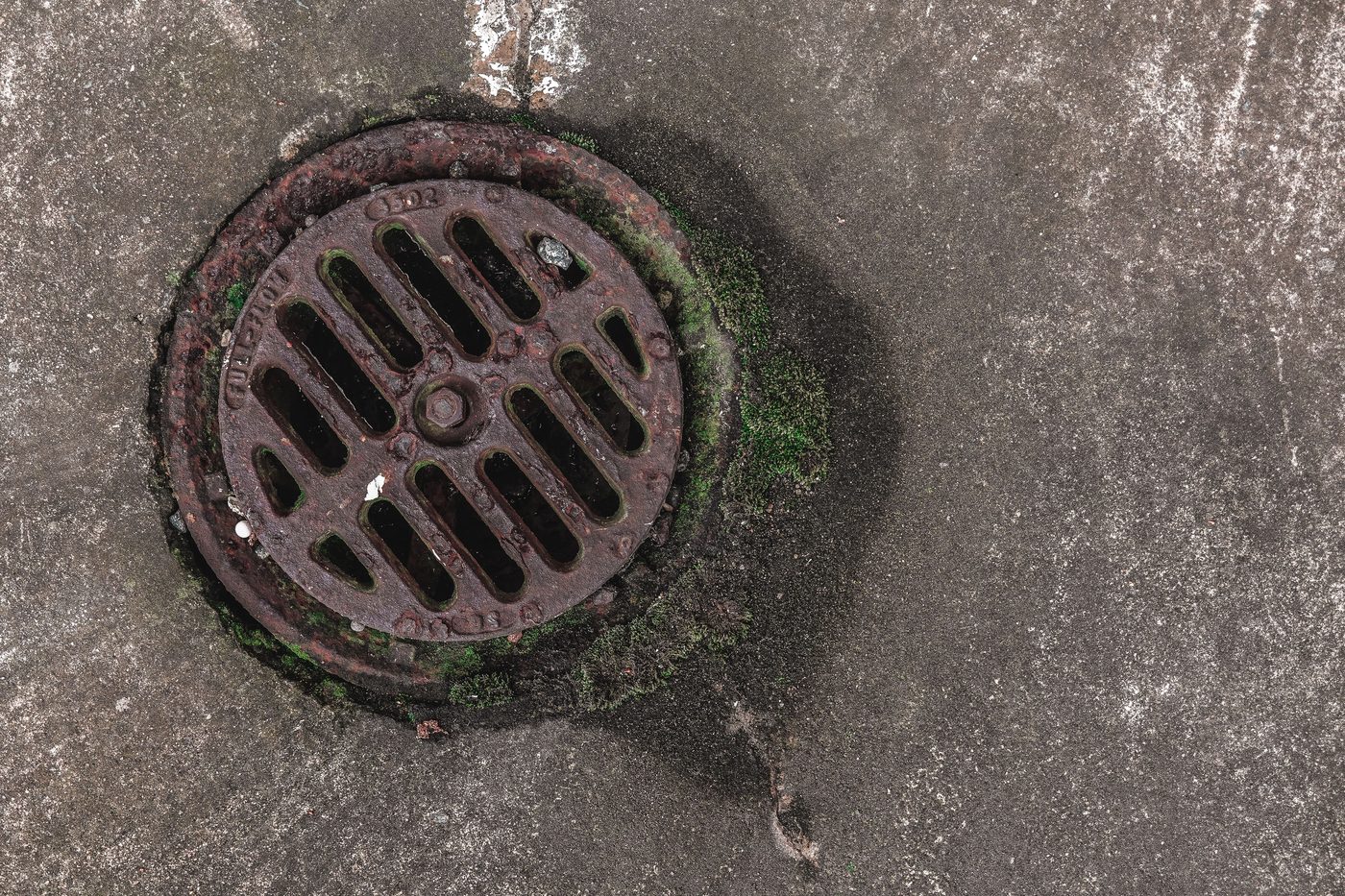
A typical Southside close has bathrooms and kitchens stacked on the back wall. Waste runs from each flat into a soil stack, usually cast iron on older buildings, sometimes replaced with plastic. The stacks and the downpipes from the rhones drop into drains under the back court. There are usually gullies at the foot of the downpipes and one or more inspection chambers with metal covers. Those drains then run out under the building or the lane to the public sewer in the street.
When the main back court drain blocks, the signs are:
- the ground floor bath or toilet fills when someone upstairs flushes
- gurgling in the lowest flats
- water or sewage rising in a gully or chamber in the back court
- a smell in the close or the drying green
Private, shared, or Scottish Water’s?
Scottish Water’s guide to drains and sewers says a drain generally becomes a public sewer once it leaves the curtilage of a property or joins drains from another curtilage. It then adds that some curtilages contain a number of properties, for example a block of flats, and the common drainage within that curtilage remains private.
A tenement and its back court are one curtilage holding many flats. So the drains in the back court are usually private, until they leave the tenement’s ground. Once they cross into the street and join the sewer, they are Scottish Water’s. For a wider look at the line between you and Scottish Water, see Scottish Water or a plumber: who fixes what.
Who owns a shared drain
Section 3(4) of the Tenements (Scotland) Act 2004 deals with parts of a tenement such as pipes, rhones and conduits. If the part wholly serves one flat, it belongs to that flat. If it serves two or more flats, each flat served gets an equal right of common property in it. Title deeds can say something different, and if they do, the deeds come first.
In plain terms, a back court drain that carries waste from all eight flats in a close is usually owned in common by all eight. A branch that carries only the ground floor flat’s waste before joining the main drain is that flat’s alone.
| Part of the drain | Usually owned by |
|---|---|
| Waste pipe from one flat to the stack | That flat |
| Soil stack serving several flats | The flats it serves |
| Main back court drain | All flats it serves |
| Gully under one flat’s downpipe only | Depends on what it drains, check the deeds |
| Sewer in the street | Scottish Water |
How owners decide and share the cost
If your deeds set out how repairs are decided and paid, follow them. If they are silent or unclear, the Tenement Management Scheme fills the gap. Under the scheme:
- each flat has one vote
- costs are shared equally among the owners responsible
- where the largest flat is more than one and a half times the floor area of the smallest, costs can be split by floor area
- work on parts used by only some flats is paid for by those owners only
Many Southside closes have a property factor who will arrange the work and recharge owners. If your close self factors, the free Under One Roof guide explains how to reach a decision.
When it cannot wait
A drain backing up sewage into a ground floor flat is not a job for a meeting. The owner affected should get it cleared, then let the factor or other owners know. Keep the plumber’s note of where the blockage was and what the drain serves, because that is what the others will ask for. Our blocked drains service gives you that note as standard.
If sewage is coming up in the street or the public sewer itself is blocked, call Scottish Water on 0800 0778 778.
What causes back court blockages
Scottish Water says around 80% of Scotland’s blocked drains and sewers are caused by the wrong items flushed down the toilet or by fat, oil and grease down the sink. In a close with eight or more flats, it only takes one household flushing wipes. Other causes common in older back courts:
- broken or sagging clay pipe under the court, where the ground has settled
- leaves, moss and silt washed off the roof into gullies
- roots from trees in neighbouring gardens
- old cast iron stacks rusting and shedding scale inside
Glasgow is wet. The Met Office records about 1,370 mm of rain a year at Glasgow Bishopton. A partly blocked drain that copes in dry weather can overflow in a heavy shower when rhones and downpipes add their load.
Preventing repeat blockages
If the drain blocks more than once, a camera survey is worth it. It shows whether the problem is a dropped joint, a crack or a build up of fat. Put a notice in the close about wipes and fat. Ask the factor to add gully clearing to any regular maintenance.
We clear back court drains across the Southside and the rest of Glasgow. See our Southside area page for more on local tenement plumbing.
Quick questions
Is a blocked back court drain Scottish Water's problem?
Usually not. Scottish Water says common drainage within a curtilage containing several properties, such as a block of flats, remains private.
Who pays to clear a shared tenement drain?
The owners of the flats it serves, usually in equal shares, unless the title deeds say otherwise or the Tenement Management Scheme splits it by floor area.
Can one owner get the drain cleared without a vote?
In an emergency, any owner can usually instruct work to stop damage. For planned work, the deeds or the Tenement Management Scheme set out how owners decide.
Why does the ground floor flat flood first?
Waste from the flats above runs to the lowest point. When the drain blocks, the ground floor bath or toilet is the first place it can escape.
Last updated 23 October 2026. Written for homes in Glasgow. Rules can change, so check the linked sources for the latest position.