Blocked drains
Blocked drains cleared in Glasgow
A slow sink, a gurgling toilet or water backing up in a back court gully means a blocked drain. Inside your property it is a plumber's job. Once the drain leaves your curtilage or joins another property's drain, Scottish Water usually owns the sewer. In tenements the shared drains in the back court often stay private.
You need this when
- Sinks, baths or showers draining slowly
- The toilet rises close to the rim before going down
- Gurgling from plugholes when another tap or toilet is used
- A bad smell from drains or gullies
- Water pooling around a gully or manhole in the back court
- Sewage coming up in the lowest flat or in the garden
Your drain or Scottish Water's sewer?
Scottish Water's guide to drains and sewers explains the general rule. From the point that the drain leaves the curtilage of your property, which is usually the land around the building that belongs to the owner, or joins drains from another property's curtilage, it becomes a public sewer and is Scottish Water's responsibility. Inside that line it is a private drain and the owner's job.
The important exception for Glasgow is that some curtilages contain several properties, such as a block of flats, and the common drainage inside that curtilage stays private. So in a tenement, the drains in the back court that serve every flat are usually shared private drains, owned in common by the flats they serve, until they leave the property and reach the public sewer.
Blocked drains in tenements and back courts
Tenement drainage usually runs from the kitchens and bathrooms into cast iron or plastic soil stacks at the back of the building, then down into drains and gullies in the back court. If the main drain blocks, the lowest flats suffer first, often with water backing up into the ground floor bath or toilet.
Because the drain is shared, the cost is usually shared by the flats it serves, unless title deeds say otherwise. A factor may arrange the work. If you self factor, the Tenement Management Scheme sets out how owners can make a decision and share the bill. We give a written note of where the blockage was and what it serves.
What causes most blockages
Scottish Water says there are over 36,000 blocked drains and sewers across Scotland every year, and around 80% are caused by the wrong items flushed down the toilet or fat, oil and grease poured down the sink. Wet wipes, cotton buds, sanitary products and kitchen roll do not break down like toilet paper. Fat sets hard in cold pipes and catches everything else.
Other causes common in Glasgow include tree roots in older clay drains under gardens in Bearsden and Newton Mearns, broken or sagging pipe under old back courts, and leaves and silt in gullies after heavy rain.
Rain, gullies and downpipes
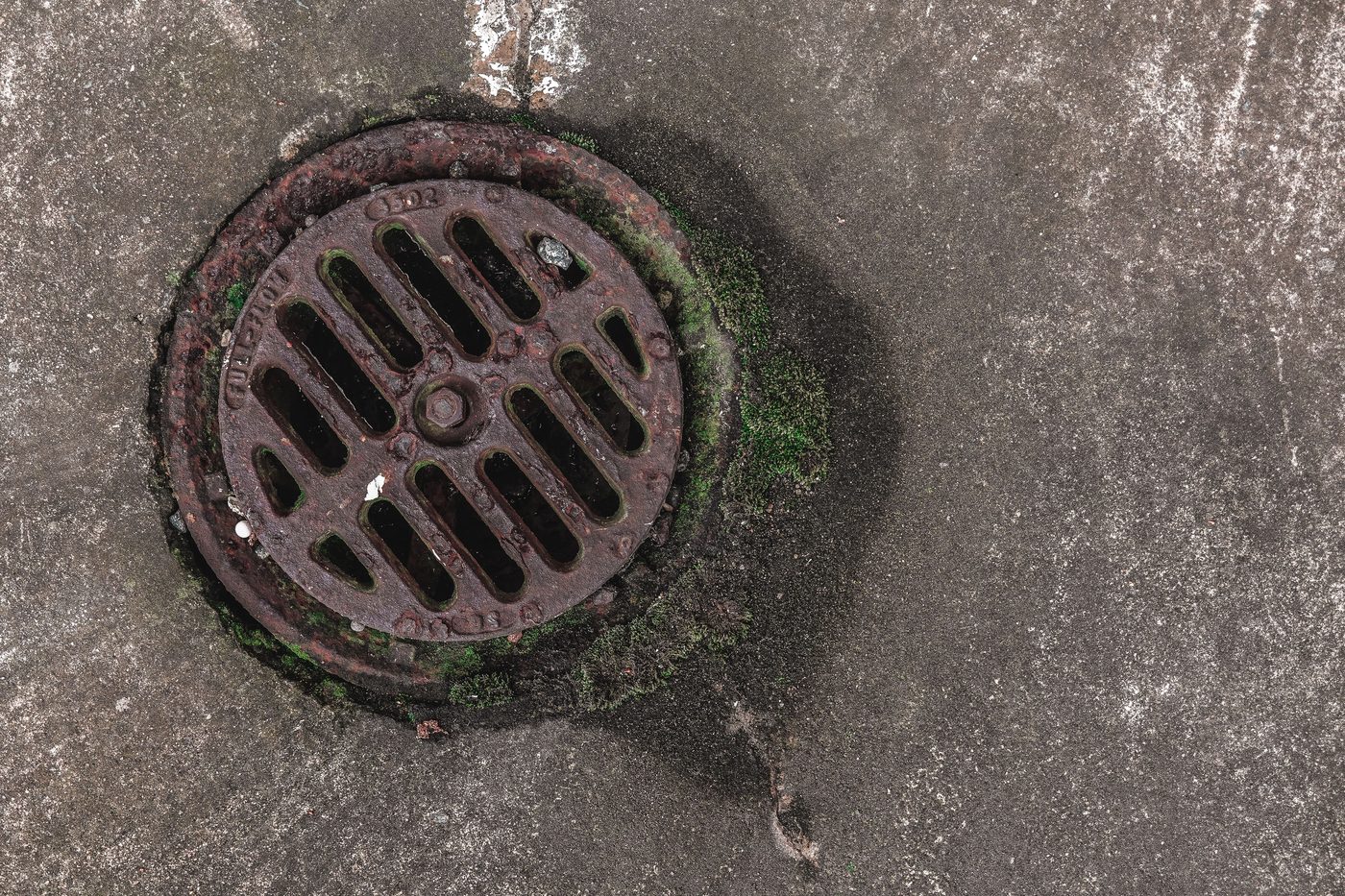
Glasgow gets plenty of rain. The Met Office records about 1,370 mm a year at Glasgow Bishopton. Tenement rhones, which is the Scottish word for gutters, and downpipes carry that water into the drains, and if a gully at the foot of a downpipe is blocked with leaves or moss, water spills onto the back court or against the wall and can cause damp inside. Clearing gullies is quick. Where the downpipe or rhone itself is cracked or blocked high up, it may be common property and need a decision by the owners or the factor. In newer homes, surface water may run to a separate drain or soakaway, and a blocked one can flood a driveway or garden.
What affects the price
The price depends on where the blockage is, access to the drain or stack, the method needed and whether a camera survey is useful. Shared drains may be split between owners. We confirm the price after a look.
| What | Price |
|---|---|
| Clearing a sink, bath or shower trap | price confirmed after a look at the job |
| Clearing a blocked toilet or soil pipe | quote on survey |
| Rodding or jetting an external drain | quote on survey |
| Drain camera survey | quote on survey |
No prices are shown on this site. Every job is priced after a look at it, by photo or a visit.
The visit
What happens, step by step
- 01
Find where the blockage is
We check which fittings are affected. One slow sink is a local trap or branch. Everything backing up points to the main drain or stack.
- 02
Work out who owns it
We look at where the drain runs and what it serves, so you know if it is yours, shared with neighbours or Scottish Water's sewer.
- 03
Clear it
We use the right tool for the pipe: plungers and augers for traps and toilets, rods or jetting for drains.
- 04
Check the pipe
Where blockages keep coming back, a camera survey shows cracks, root entry or sagging pipe.
- 05
Advise on prevention
We tell you what caused it, usually wipes, fat or root growth, and what will stop it happening again.
FAQ
Blocked drains: what people ask
Who is responsible for a blocked drain in Scotland?
The owner is responsible for private drains within the property's curtilage. Once the drain leaves the curtilage or joins another property's drain it is usually a public sewer and Scottish Water's responsibility.
The back court drain is blocked. Who pays?
Usually the owners of the flats it serves, shared between them, unless the title deeds say otherwise. Your factor may arrange it.
When should I call Scottish Water?
If the blockage is in the public sewer, or sewage is flooding from a manhole in the street, call Scottish Water on 0800 0778 778.
Can I use chemical drain cleaner?
It can help a slow sink with soap and hair, but it rarely clears a solid blockage and can be dangerous if it splashes back. Do not use it on a fully blocked drain before calling us.
Where