Short answer: A drain smell usually comes from a dried out trap on a sink or shower that is rarely used, a slow drain where waste is sitting in the pipe, or a cracked waste pipe or soil stack letting sewer air into the room. Run water into every trap first. If the smell stays, the pipe or drain needs checking.
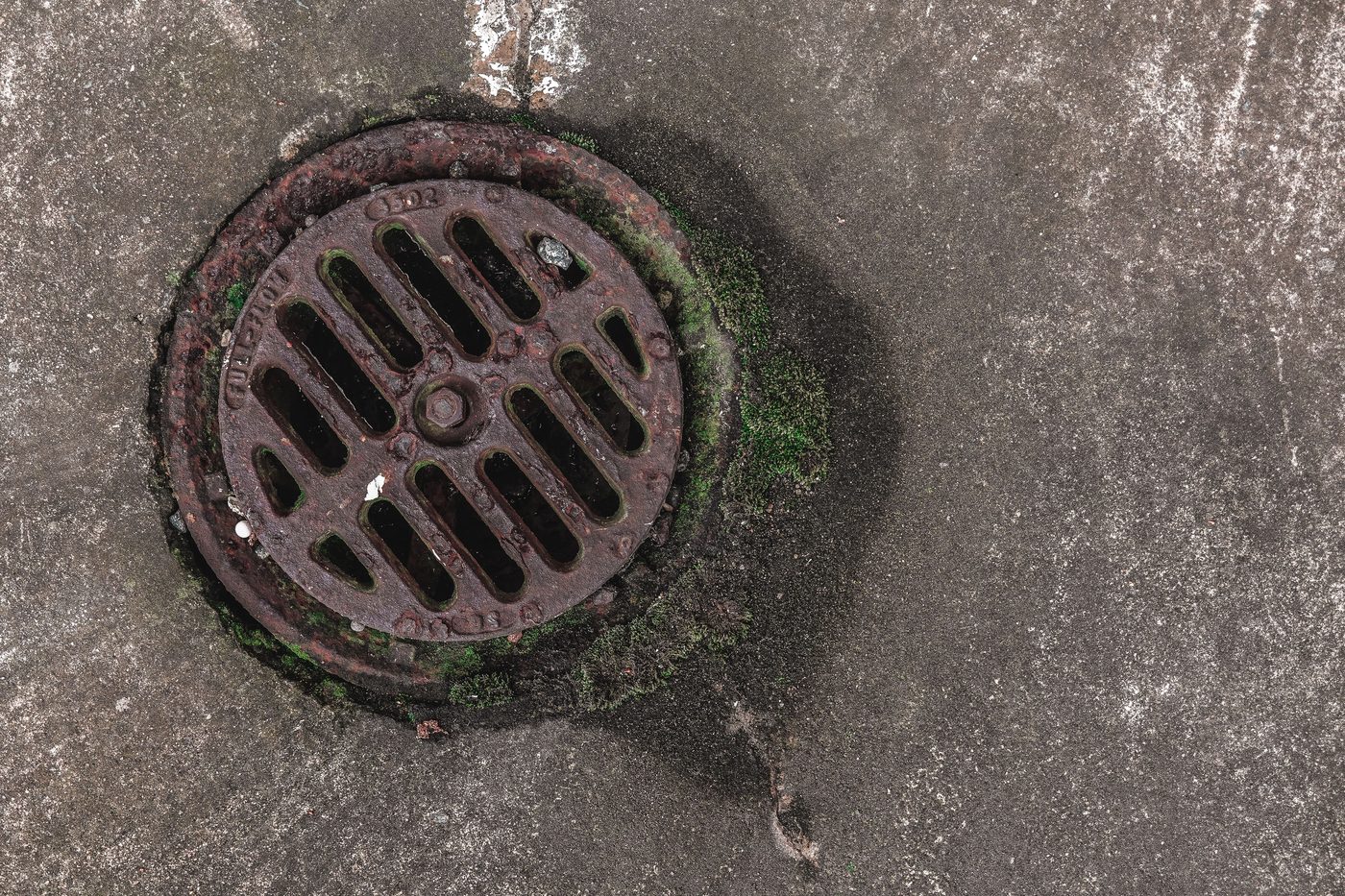
A drain smell is one of those problems that is easy to put up with until visitors notice. In Paisley, where many homes are Victorian tenements, cottage flats or older terraces near the town centre and Paisley Abbey, the cause is often in the old pipework rather than a blockage. Here is how to track it down, in the order we would.
Start with the traps
Every sink, basin, bath and shower has a trap. It is the U shaped bend under the plughole, or a pot shaped bottle trap under a basin. It holds a small amount of water, and that water is the seal that stops sewer air coming back up into the room.
If a fitting is not used for a while, the water evaporates and the seal goes. Spare bedrooms with an en suite, a shower nobody uses or a utility sink are the usual suspects. Run water into every fitting for a minute, including floor gullies if you have them. If the smell fades within a day, that was the cause.
Traps can also lose their water when another fitting drains fast nearby. This is called siphoning. You might hear a gurgle from the basin when the bath empties. It usually means the waste pipe has no proper air vent, and fitting an air admittance valve or a different trap can fix it.
Kitchen sinks
Kitchen smells are usually fat, grease and food sitting in the trap and the pipe under the sink. Fat sets hard in a cold pipe, and that is common in a Glasgow kitchen on an outside wall in winter. Unscrew and clean the trap over a basin. Scrape it out, then rinse with hot water.
Scottish Water says around 80% of blocked drains and sewers in Scotland are caused by the wrong items flushed or by fat, oil and grease down sinks, according to its guide to drains and sewers. A smelly kitchen sink is often the early stage of one of those blockages.
Slow drains
If water drains slowly, waste is sitting in the pipe and starting to rot. A shower with hair caught in the waste, a basin trap full of soap and toothpaste, or a partly blocked branch can all smell. Clearing the blockage clears the smell. If several fittings are slow at once, the problem is further down. Our blocked drains service covers that.
Cracked pipes and stacks in older homes
This is where Paisley’s older housing comes in. Many tenements and cottage flats still have cast iron soil stacks, sometimes running inside the bathroom, sometimes on the back wall. Over a century, cast iron rusts, joints dry out and brackets loosen. A crack or a gap at a joint can let sewer air into the flat without any water leaking.
Signs of a stack problem:
- the smell is worst in the bathroom and does not change when you run water into traps
- it gets stronger when a neighbour above flushes
- you can see rust staining, flaking paint or a dark line at a pipe joint
- the boxing around the pipe smells when you open it
Old pan connectors are another culprit. That is the joint between the back of the toilet and the soil pipe. If it has cracked or the seal has perished, it can smell, and it can leak a little each flush.
| Where the smell is | Likely cause | First step |
|---|---|---|
| A basin or shower you rarely use | Dry trap | Run water into it |
| Kitchen sink | Fat and food in trap | Clean the trap |
| Whole bathroom, no blockage | Cracked stack or pan connector | Get the pipework checked |
| Gurgle then smell | Trap siphoning | Vent or anti siphon trap |
| Back court or close | Shared drain or gully | Check gullies and chamber |
| Outside by a downpipe | Blocked gully | Clear leaves and silt |
Outside smells
If the smell is in the back garden or the drying green, look at the gullies at the foot of the downpipes and any inspection chambers. A gully full of leaves can hold stagnant water. A chamber with a cracked lid or a lost seal will smell too. Paisley gets plenty of rain, close to Glasgow’s figure of about 1,370 mm a year at the Met Office’s nearby Bishopton station, and gullies fill with silt in wet spells.
Who is responsible in a tenement or cottage flat
Cottage flats are four flats in one block, two up and two down, and in Scots law they count as a tenement because the flats are divided horizontally. Under section 3(4) of the Tenements (Scotland) Act 2004, a pipe that wholly serves one flat belongs to that flat, and a pipe serving two or more flats is common property of the flats it serves, unless the title deeds say otherwise.
So a dry trap or a cracked basin waste in your flat is yours to fix. A cracked stack serving the upstairs and downstairs flats is usually shared. For more on shared drains, read our guide to a blocked back court drain.
Do not confuse drains with gas
Drain smells are often described as eggy or like sewage. Mains gas has an added smell that some people also call eggy. If you are not sure, or the smell is near the boiler, hob or meter, treat it as gas. Open windows, do not use switches, leave and call the National Gas Emergency Service on 0800 111 999.
When to call us
If running water and cleaning traps has not worked, or you can see damage to a stack, we can check the pipework and find the gap. We cover Paisley, Renfrew and the rest of Renfrewshire. See our Paisley area page for more on the homes we work in there.
Quick questions
Why does my bathroom smell of drains when nothing is blocked?
Often a trap has dried out on a basin, bath or shower that is not used much. Running water for a minute refills it. If the smell stays, look for a cracked or loose pipe.
Can a drain smell be dangerous?
A strong sewer smell indoors means a seal has failed somewhere and should be fixed. If you smell gas rather than drains, leave and call 0800 111 999.
My kitchen sink smells. Is it the drain?
Usually it is fat and food sitting in the trap or the waste pipe. Cleaning the trap often cures it.
Who fixes a smelly drain in a tenement?
If the cause is your own waste pipe or trap, you. If it is the shared soil stack or back court drain, the owners it serves usually share it.
Last updated 23 October 2026. Written for homes in Glasgow. Rules can change, so check the linked sources for the latest position.