Short answer: A sealed heating system should hold its pressure. If your combi or system boiler keeps dropping below about 1 bar, the usual causes are bleeding radiators, a small leak at a radiator valve or a hidden pipe, a faulty pressure relief valve, or a flat expansion vessel. Topping up gets you going. If it keeps falling, the cause needs finding.
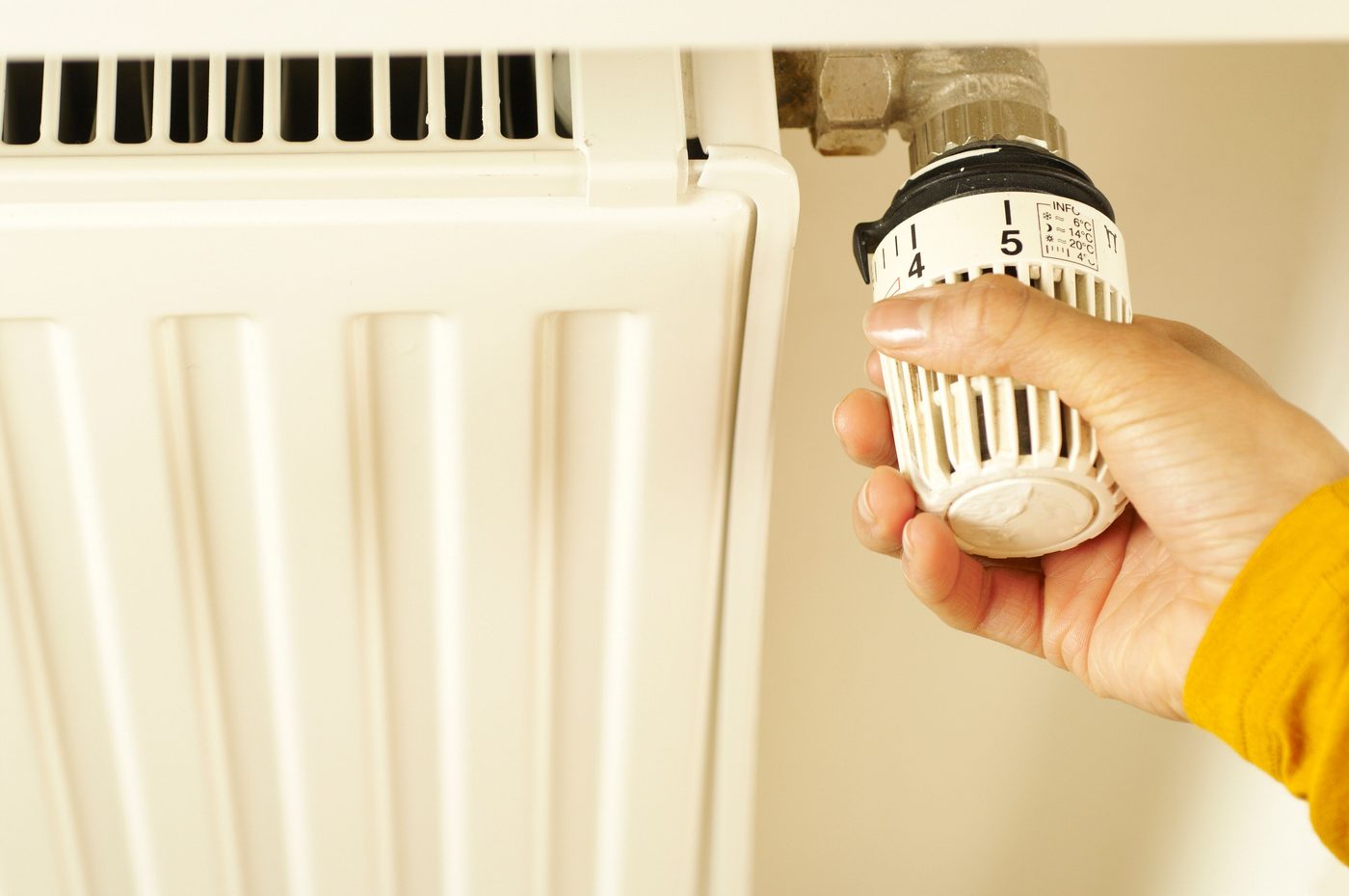
A boiler that keeps losing pressure is one of the most common heating calls we get. It is especially common in bigger homes such as those in Newton Mearns, Giffnock and Clarkston, where there are more radiators, more valves and longer pipe runs to go wrong. The good news is the causes are a short list. Here is how to work through them.
How a sealed system works
Most gas boilers fitted in Glasgow homes in recent decades are combi or system boilers. Both run a sealed heating system. The water in the radiators is not open to the air. It is held at a set pressure, shown on a gauge on the boiler or nearby.
Most manufacturers ask for roughly 1 to 1.5 bar when the system is cold, and the pressure rises a little as it heats up. If it falls too low, the boiler stops and shows a fault code. If it is too high, a pressure relief valve opens to protect the system.
A sealed system has no reason to lose water. If the pressure keeps going down, water is going somewhere.
Cause one: you bled the radiators
Bleeding a radiator lets air out, but water comes out too. In a house with fifteen or twenty radiators, bleeding them all can drop the pressure a long way. That is normal. Top up through the filling loop to the level in your manual and watch it for a few days. If it holds, that was the cause.
Cause two: a leak on the heating side
A small leak can lose a surprising amount of water over a week. Look for:
- damp or staining under radiator valves
- a green or white crust on a valve or joint
- damp carpet or a warm patch near a pipe under the floor
- a stain on a ceiling below an upstairs radiator or the airing cupboard
- drips under the boiler itself
In many family homes in Newton Mearns the heating pipes run under floors and up through walls, so the leak may not be visible. A falling pressure with no visible sign often means a hidden leak. Our guide to low water pressure covers the supply side, but heating leaks are a separate system and need testing on their own. Our leak detection service does that.
Cause three: the pressure relief valve
Every sealed system has a pressure relief valve. When pressure gets too high, it opens and dumps water through a small copper pipe that usually runs outside, often ending near the ground or pointing back at the wall. If the valve has opened once, a bit of debris can stop it closing fully, and it then lets water by a drip at a time.
Check that outside pipe. If it is wet or dripping, the valve is the likely culprit. Do not cap the pipe. The valve needs replacing, which is a job for a Gas Safe registered engineer as it is part of the boiler.
Cause four: the expansion vessel
Heating water expands as it warms. The expansion vessel is a small tank with an air cushion inside that soaks up that expansion. Over time it loses its air charge. Then the pressure shoots up when the heating comes on, the relief valve opens, water is lost, and when the system cools the pressure is low.
If your gauge swings a long way between cold and hot, the vessel may need recharging or replacing. On a system boiler with an unvented cylinder, there is often a second vessel for the hot water, which is a different thing. Our unvented cylinder guide explains that one.
Working out which it is
| What you see | Most likely cause |
|---|---|
| Pressure dropped after bleeding, then holds | Normal, just top up |
| Slow steady drop, damp patch somewhere | Leak on the heating |
| Slow drop, outside relief pipe wet | Pressure relief valve |
| Big swing hot to cold, relief pipe drips when hot | Expansion vessel |
| Drop with no visible signs | Hidden leak, or valve letting by |
How to top up safely
Your boiler manual shows the filling loop. On many combis it is a silver braided hose with a valve at each end under the boiler. Some newer boilers have a built in key or lever. With the heating off and the system cold:
- Open the valves slowly.
- Watch the gauge rise to the level in the manual.
- Close both valves fully.
- Reset the boiler if it shows a fault.
If you have a removable hose, take it off after use. Many installers leave it attached, which is fine as long as both valves are firmly closed.
Soft water and what fails
Glasgow and the East Renfrewshire suburbs are supplied by Scottish Water, and its 2024 hardness data puts the main Glasgow supply zones in the soft band. Scale is rarely the reason a relief valve sticks here. Debris and sludge from older radiators are more often the cause. That is one reason a system clean and a magnetic filter are worth having, especially on a large system.
When to call an engineer
Topping up now and then after bleeding is fine. Topping up every few days is not. Call us if:
- you are topping up more than once or twice after bleeding
- the outside relief pipe is dripping
- there is any sign of water under the boiler
- the pressure is high when the system is cold
Anything inside the boiler casing is gas work and must be done by a Gas Safe registered engineer. Check their ID card on the Gas Safe Register. See our boiler repair page for how we diagnose faults, and our Newton Mearns area page for the homes we work in there.
Quick questions
What pressure should my boiler be at?
Most manufacturers ask for about 1 to 1.5 bar when the system is cold. Check the manual for your model.
Is it safe to top up my boiler pressure myself?
Yes, through the filling loop as the manual describes. Close the valves fully when you reach the right pressure.
Why does my boiler pressure drop overnight?
Usually a small leak somewhere on the heating system, or a pressure relief valve letting water by. Check the outside pressure relief pipe for drips.
Can low pressure damage the boiler?
The boiler will normally lock out to protect itself. The bigger risk is the leak causing damage to floors or ceilings.
Last updated 23 October 2026. Written for homes in Glasgow. Rules can change, so check the linked sources for the latest position.