Short answer: Under Scotland's Repairing Standard, a rented home must have a safe water supply, a working toilet, working drainage, and a sink, bath or shower and wash basin with hot and cold water. Gas needs an annual check by a Gas Safe registered engineer, the drinking water supply must be free of lead, and leaks causing damp must be fixed promptly.
What the Repairing Standard is
The Repairing Standard is the set of rules a private rented home in Scotland must meet, at the start of a tenancy and throughout it. mygov.scot says the landlord is legally responsible, even if they use a letting agent, and a tenant can take the landlord to a housing tribunal if repairs are not done. The detail is in the Scottish Government’s Repairing Standard statutory guidance.
Glasgow has a large private rented sector, much of it in tenement flats in the West End, the Southside and the city centre. Old buildings, shared pipes and stacked bathrooms make the plumbing parts of the standard especially relevant here.
This page pulls those plumbing parts into a checklist. It is a guide, not legal advice.
The plumbing checklist
| Item | What the standard expects | What to check |
|---|---|---|
| Water supply | A water supply that is safe to use | No leaks, stop tap works, no lead in the drinking water supply |
| Toilet | A working toilet | Flushes, refills, no leak at the base, cistern not running |
| Drainage | Working drainage and sewerage | Sinks, bath and shower drain freely, no smells, no backing up |
| Fittings | A sink, a bath or shower, and a wash basin, with hot and cold water | Taps work, no drips, hot water reaches each one |
| Gas | Installed and maintained by a Gas Safe registered engineer, checked every year | Landlord Gas Safety Record in date, copy given to tenant |
| Heating | Enough heating, alongside ventilation, light and insulation | Boiler and radiators work, controls make sense to the tenant |
| Carbon monoxide | A CO detector in every space with a carbon fuelled appliance, such as a boiler | Detector present, in date and working |
| Legionella | Assess the property for legionella risk | Risk assessment recorded, unused outlets flushed |
| Damp and mould | Inspect and repair within set timescales | Find and fix the leak causing it |
Sources: mygov.scot and Scottish Water landlord guidance on lead.
Water supply and lead
This is the item many Glasgow landlords have not yet dealt with. Scottish Water’s landlord guidance says that under the Repairing Standard statutory guidance, lead pipes and lead lined storage tanks or fittings should not be present in the drinking water supply of any privately rented property, from the boundary stopcock to the kitchen tap, from March 2024.
The guidance says landlords must carry out a visual check, and an approved plumber can help. If the landlord is still uncertain after a visual check or advice, or is aware of a risk, tenants must be informed, given information on reducing risk, and a water sample must be taken for laboratory analysis.
Scottish Water says homes built before 1970 have a higher chance of lead pipework. That covers a large share of Glasgow’s tenements. In a tenement, the lead may be in a shared riser or the pipe under the close, which needs the agreement of the other owners it serves. Our lead pipes guide explains how to check.
Toilets, taps and hot water
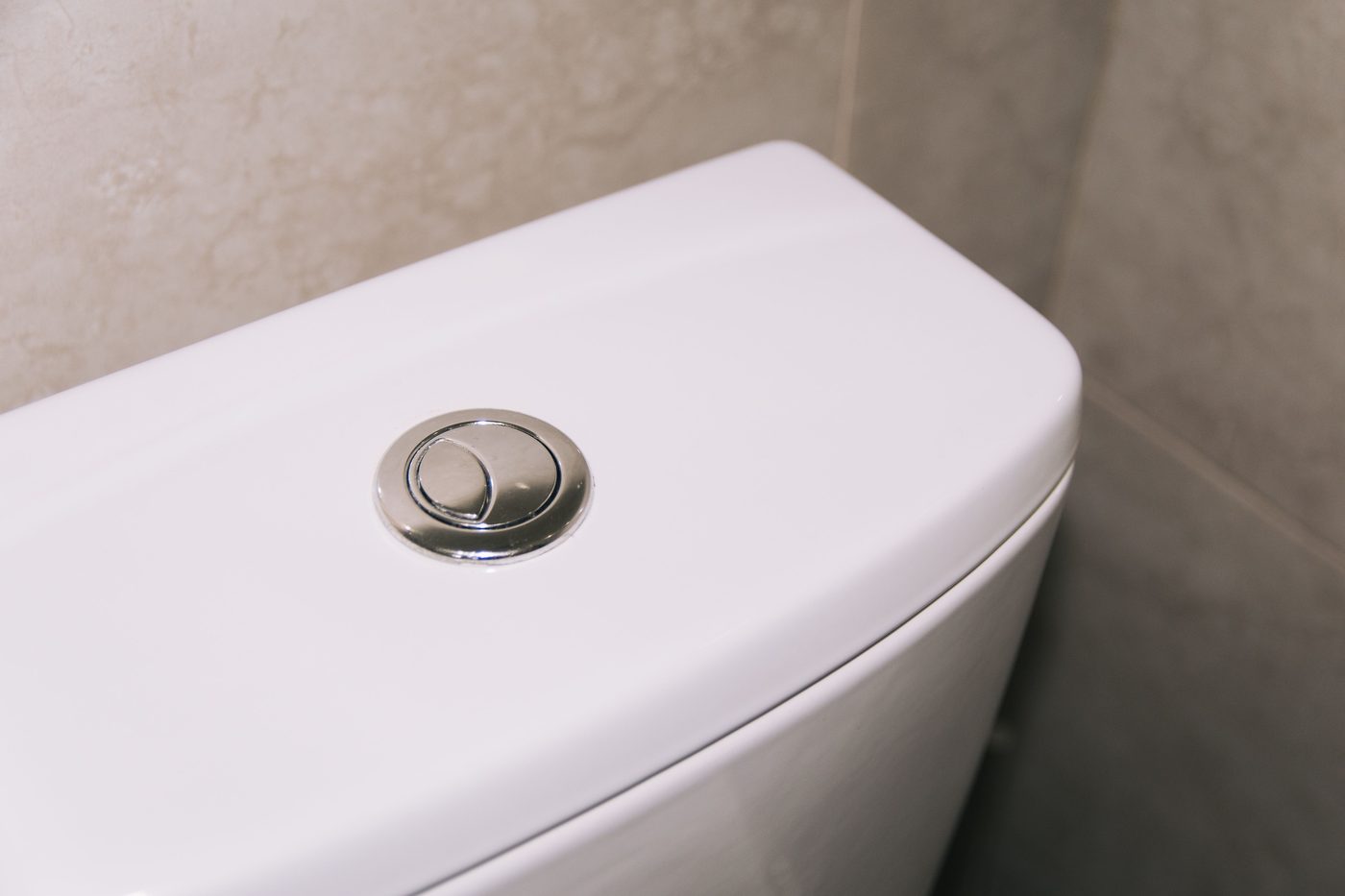
A broken toilet in a rented flat is an urgent repair. Most faults are a worn flush valve or fill valve, a leaking pan connector or a blockage, and most can be fixed in one visit. A running cistern wastes water and a leak at the base can damage the flat below, which in a tenement becomes a dispute with a neighbour.
Hot and cold water must reach the sink, the bath or shower and the basin. In older flats with a cylinder in the press, a failed immersion heater can leave a tenant with no hot water at all. Our toilet and tap repairs page covers the common fixes.
Gas safety
mygov.scot says gas supplies and equipment must be safely installed and maintained by a Gas Safe registered engineer, working and in reasonable condition, and checked annually. The tenant gets a copy of each yearly Landlord Gas Safety Record. Our guide to the landlord gas safety certificate in Scotland goes into the detail, including how to check an engineer on the Gas Safe Register.
The standard also needs a carbon monoxide detector in every space with a carbon fuelled appliance, such as a boiler or gas fire.
Legionella
Landlords must assess the property for legionella risk. The HSE guidance for landlords explains what that involves. In plumbing terms, the risk is higher where water sits still and lukewarm, such as in a cold water tank, a little used shower or a flat that has been empty between tenancies. Running all the taps and showers before a new tenant moves in is a sensible step.
Leaks, damp and the timescales
mygov.scot sets out timescales for damp and mould. Landlords must inspect within 10 working days of being told, send the tenant a written summary within 3 working days of finishing the inspection, and if there is substantial damp or mould, start repairs within 5 working days of finishing the inspection.
A great deal of damp in Glasgow flats comes from plumbing: a weeping shower seal, a leaking waste behind a bath panel, a slow drip under a sink or a leak from the flat above. Finding and fixing the source is the first step. If the leak is from a shared pipe, the Tenements (Scotland) Act 2004 and your factor come into it. mygov.scot recognises a delay in getting agreement from neighbouring owners as something outside the landlord’s control, but the landlord must keep the tenant informed.
Between tenancies
The gap between tenants is the easiest time to check the plumbing. A sensible routine:
- Check the stop tap turns and the tenant will know where it is.
- Look at the incoming pipe for lead.
- Run every tap and shower, and flush every toilet.
- Check under sinks and behind bath panels for leaks.
- Check the gas safety record date and the CO detector.
- Bleed radiators and check boiler pressure.
We can carry out these checks across Glasgow and give a written note of what we found. For the tenement areas with the most rented flats, see our Southside area page.
Quick questions
Does the Repairing Standard apply if I use a letting agent?
Yes. mygov.scot says the landlord is legally responsible for the property meeting the standards, even if a letting agent manages it.
What happens if I do not meet the Repairing Standard?
mygov.scot says a tenant can take the landlord to a housing tribunal if repairs are not done.
Do I have to replace lead pipes in my rented flat?
Scottish Water's landlord guidance says privately rented homes must not have lead pipes, fittings or tanks in the drinking water supply from March 2024, from the boundary stopcock to the kitchen tap.
How often is a gas safety check needed?
Every year, by a Gas Safe registered engineer, with a copy of the Landlord Gas Safety Record given to the tenant.
Last updated 23 October 2026. Written for homes in Glasgow. Rules can change, so check the linked sources for the latest position.